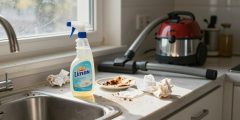
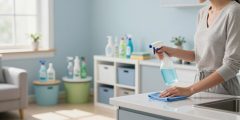
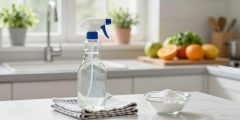
Did you know dirty floors can hide germs and bacteria? This can lead to health problems. Keeping floors clean is key for a healthy home.
Effective floor care means knowing how to clean each type of floor. Whether it’s hardwood, tile, carpet, or laminate, each needs a special cleaning method.

Different floors in homes and offices can be a cleaning challenge. Easy floor cleaning solutions help keep your space healthy.
Key Takeaways
- Know your floor type to pick the best cleaning method.
- Regular sweeping and mopping stop dirt from building up.
- Use the right cleaning products for your floor.
- Don’t use too much water on hardwood and laminate floors.
- Think about eco-friendly cleaning for a healthier home.
Understanding Different Floor Types and Their Cleaning Needs
Different floors need special cleaning to look good and last long. Knowing what your floor is made of helps pick the best cleaning methods and products.
Porous vs. Non-Porous Surfaces
Porous floors like natural stone and unsealed wood soak up liquids and stains. They need gentle cleaners and quick action on spills. Non-porous floors, like glazed tile and sealed hardwood, resist stains better and can handle tougher cleaning.

Hard vs. Soft Flooring
Hard floors, like tile, hardwood, and laminate, can take more cleaning than soft floors. Soft floors, including carpet and rugs, need regular vacuuming and spot cleaning to avoid dirt and stains.
Finish Considerations and Limitations
The floor’s finish greatly affects its cleaning needs. For example, polyurethane-finished hardwood can handle more moisture than wax-finished floors. Knowing your floor’s finish helps choose the right cleaning products and methods.
Identifying Your Floor Material
To clean your floors right, first figure out what they’re made of. Look for labels, check the floor’s look, and ask a flooring expert if you’re not sure.
Understanding your floor type and its cleaning needs helps keep it looking great and lasting longer.
Essential Floor Cleaning Tools and Supplies
Spotless floors start with the right cleaning tools and supplies. The right equipment makes cleaning easier and keeps your floors in top shape.
Basic Cleaning Equipment Every Home Needs
Every home needs basic cleaning tools like a broom, dustpan, mop, and vacuum. These are key for daily upkeep and work on many floor types.
Specialized Tools for Different Surfaces
Each floor type needs its own cleaning tools. Hardwood floors need microfiber mops, while tile floors require a grout brush for cleaning grout.

| Floor Type | Recommended Cleaning Tool |
|---|---|
| Hardwood | Microfiber mop |
| Tile | Grout brush |
| Carpet | Vacuum cleaner with adjustable height |
Eco-Friendly Cleaning Products
Eco-friendly cleaning products are good for the planet and your health. Choose products that are non-toxic and biodegradable.
Storage Solutions for Cleaning Supplies
Keeping cleaning supplies organized is important. Use storage bins or a cleaning caddy to keep your space tidy.
Simple Floor Cleaning Tips for All Surfaces
There are simple ways to keep all floors clean. Cleaning your floors makes your home look better and healthier. It’s good for everyone living there.

Universal Cleaning Principles
Knowing how to clean different floors is key. Start by sweeping or vacuuming often to get rid of dirt. A damp mop with a mild cleaner works well for most floors.
The right cleaner and water amount depend on the floor type. Always check the label for the best choice.
Quick Daily Maintenance Routines
Having a quick daily cleaning routine helps a lot. For busy areas, a daily sweep or vacuum keeps dirt away. A microfiber mop is great for daily dusting and cleaning on hard floors.
Addressing Spills and Stains Promptly
Cleaning spills and stains fast is very important. The sooner you act, the less damage there will be. Blot spills, don’t rub them, to avoid harm.
For tough stains, use a gentle cleaner that fits your floor. This helps keep your floors looking good.
Testing Products in Inconspicuous Areas
Always test new cleaners in a hidden spot first. This step protects your floors from damage like color changes or finish wear. Wait 24 hours before using it everywhere.
By following these tips, you can keep your floors looking great for a long time. It doesn’t matter what they’re made of.
Hardwood Floor Cleaning and Maintenance
To keep hardwood floors looking great, it’s key to know the right cleaning and care. Hardwood floors add beauty and durability to any home. But, they need special care to stay looking good and last long.
Sealed vs. Unsealed Hardwood
First, figure out if your floors are sealed or unsealed. Sealed hardwood floors have a coat that protects them from spills and stains. Unsealed hardwood is more absorbent and needs more careful care. Knowing your floor’s finish helps pick the right cleaning products and methods.

Safe Cleaning Methods for Different Finishes
Each finish needs its own cleaning way. For example, floors with polyurethane can be cleaned with a damp mop and special cleaner. But, wax-finished floors need a wax cleaner. Always be careful not to use too much water, as it can harm the wood or finish.
Avoiding Common Hardwood Damage
Hardwood floors can get scratched, dented, or damaged by water. Use felt pads under furniture legs and area rugs in busy spots to avoid scratches. Also, keep your home’s humidity stable to prevent wood damage.
Seasonal Care for Wood Floors
Seasonal changes impact hardwood floors. In dry seasons, a humidifier keeps the wood moist. In humid seasons, good air flow prevents too much moisture. Regularly check your floors and adjust your care based on the season to keep them in top shape.
Tile and Grout Cleaning Techniques
Cleaning tile and grout is key for a clean and nice-looking home. Each type of tile needs special care to stay looking good and last long.
Ceramic and Porcelain Tile Care
Ceramic and porcelain tiles are great for floors because they’re tough and easy to keep clean. Clean them with a mild soap and warm water. Don’t use harsh cleaners or scrubbers that can damage the surface.
For hard stains, try a mix of baking soda and water. It works well.
Natural Stone Tile Considerations
Natural stone tiles, like marble and granite, need gentle care. Clean them with a cleaner that’s not too alkaline or acidic. This keeps the stone safe.
It’s also smart to seal the stone often. This helps keep it from getting stained.

Effective Grout Cleaning Solutions
Grout can get dirty and stained over time. To clean it, mix baking soda and hydrogen peroxide to make a paste. Put the paste on the grout, wait a bit, then scrub with a toothbrush.
Sealing Grout to Prevent Staining
Sealing grout is important for keeping your floors clean and in good shape. Sealers block dirt and water, keeping the grout looking new. You should reseal grout often, especially in busy areas.
Key Takeaways:
- Use mild detergents for ceramic and porcelain tiles.
- Clean natural stone tiles with pH-neutral cleaners.
- Regularly seal grout to prevent staining.
Carpet and Rug Cleaning Strategies
Keeping carpets and rugs clean is key to making them last longer. Regular care not only keeps them looking good but also makes your home healthier. It reduces allergens and dirt.
Regular Vacuuming Techniques
Vacuuming often is the best way to fight dirt and dust. Vacuum high-traffic spots at least twice a week. Use a vacuum with a rotating brush to get dirt out of carpet fibers.
For rugs, use a gentle suction setting. This helps avoid damaging the rug material.
Spot Treatment Methods for Common Stains
Quick action is crucial for stain removal. Blot spills right away with a clean cloth. Start from the outside in to avoid spreading the stain.
For tough stains, try a mix of mild detergent and warm water. Always test it on a small, hidden area first. This ensures it won’t harm the carpet or rug.

Deep Cleaning Approaches
Deep cleaning is needed to get rid of dirt trapped deep in the carpet. You can use steam cleaning or a carpet cleaning machine. For delicate rugs, it’s best to get them professionally cleaned to avoid damage.
Dealing with High-Traffic Areas
High-traffic spots need extra care. Use area rugs or mats to protect the carpet. Also, move furniture around now and then to spread out wear.
Regular spot cleaning and more vacuuming in these areas help keep them looking good.
By following these cleaning tips, homeowners can make their flooring last longer. And they can keep their homes looking fresh and clean.
Laminate and Vinyl Floor Care
To keep your laminate and vinyl floors looking great, it’s key to know their special care needs. Both are loved for being tough and looking good, but they need different care.
Moisture Control for Laminate Surfaces
Laminate floors don’t like too much water. It can make them warp or swell. To keep your laminate floors in top shape:
- Clean spills right away to stop water from getting into the seams.
- Use a damp mop, not a wet one, to keep the floor dry.
- Stay away from steam cleaners, as they can harm the laminate.

Vinyl-Safe Cleaning Products
Vinyl floors can handle a bit more moisture than laminate, but they still need gentle cleaning. Use vinyl-safe cleaning products that are gentle and don’t have harsh chemicals. Don’t use:
- Strong chemicals that can make the finish dull.
- Scrubby cleaners that can scratch the floor.
Scratch Prevention and Repair
Both laminate and vinyl floors can get scratched. To stop scratches:
- Put felt pads under furniture legs to protect the floor.
- Use mats at entryways to catch dirt and grit that can scratch the floor.
For small scratches, try a scratch repair kit made for your floor type.
Luxury Vinyl Tile Specific Care
Luxury Vinyl Tile (LVT) is known for being tough and versatile. To keep LVT looking good:
- Regularly sweep or vacuum to get rid of dirt.
- Mop with a soft, pH-neutral cleaner.
- Don’t let too much water get in, as it can damage the seams.
Natural Stone and Concrete Floor Maintenance
Keeping natural stone and concrete floors looking good requires care and maintenance. These materials are known for their durability and beauty. They need special attention to stay in top shape over time.
Marble, Granite, and Limestone Care
Marble, granite, and limestone are popular for flooring because of their unique looks and strength. But, they each need different care. Marble and limestone are more absorbent and need sealing to prevent stains. Granite is denser and less likely to stain, but still benefits from sealing.
Cleaning these floors means using cleaners that are pH-neutral to avoid harm. For everyday upkeep, a soft cloth or mop with a mild cleaner is best.

Concrete Sealing and Cleaning
Sealing concrete floors helps protect them from stains and makes them look better. How often to seal depends on the sealer type and foot traffic.
To clean concrete floors, a mild detergent and water work well. Avoid harsh chemicals that can harm the sealer or the concrete.
Polishing Techniques for Natural Surfaces
Polishing helps keep natural stone and concrete floors looking great. For stone, polishing uses finer abrasives to get a shiny finish. Concrete polishing also uses abrasion but can achieve various finishes, from matte to glossy.
Avoiding Acidic Cleaners on Stone
Acidic cleaners can etch natural stone, making it dull. It’s important to use cleaners that are pH-neutral to keep the stone looking good.
| Floor Type | Recommended Cleaner | Sealing Frequency |
|---|---|---|
| Marble | pH-neutral | Every 6-12 months |
| Granite | pH-neutral | Every 1-2 years |
| Limestone | pH-neutral | Every 6-12 months |
| Concrete | Mild detergent | Depends on sealer type |
DIY Floor Cleaning Solutions and Recipes
Homemade cleaning solutions are a great way to clean floors without harsh chemicals. You can make your own DIY floor cleaning products. This lets you customize them to fit your cleaning needs.
All-Purpose Floor Cleaners
To make an all-purpose cleaner, mix 1 cup of warm water, 1/4 cup of white vinegar, and 1 tablespoon of castile soap. This mix works well on many floors, like hardwood, tile, and laminate.
Surface-Specific Homemade Formulas
For hardwood floors, try a mix of 1 cup water, 1/4 cup white vinegar, and a few drops of olive oil. For tile and grout, a baking soda and water paste can remove tough stains.
Essential Oil Additions for Fragrance
Adding a few drops of essential oils like lemon or lavender can make your cleaners smell nice. But, don’t use too much. Too many essential oils can leave a residue on floors.
Ingredients to Avoid on Specific Surfaces
Don’t use acidic cleaners on natural stone surfaces. They can damage the stone. Also, avoid using too much excessive water on laminate and hardwood floors. It can cause damage.
Tackling Stubborn Floor Cleaning Challenges
Dealing with tough floor cleaning issues can be tough for many homeowners. Some stains and marks don’t go away with regular cleaning. They need special cleaning methods.
Removing Scuff Marks and Scratches
Scuff marks and scratches can really hurt your floor’s look. Try using a magic eraser or a product made for scuff marks. For deeper scratches, a scratch remover or a touch-up marker that matches your floor’s color might work.
Addressing Pet Stains and Odors
Pet accidents can leave tough stains and bad smells. First, blot the spill with paper towels to soak up as much as you can. Then, use a pet stain remover or a mix of white vinegar and water. Baking soda can also help with lingering smells.
Eliminating Sticky Residues
Sticky residues from spills or products can be hard to get rid of. A gentle adhesive remover or a mix of warm water and mild dish soap can help. For really stubborn residues, a degreaser might be needed.
Dealing with Water Damage and Stains
Water damage can cause stains or warping on some floors. First, find and fix the leak. For stains, a mix of equal parts white vinegar and water can help. For serious water damage, you might need a pro.
By using these methods, homeowners can overcome tough floor cleaning challenges. They can make their floors look cleaner and more inviting again.
When to Consider Professional Floor Cleaning Services
Regular cleaning is key, but sometimes, you need more. Homeowners often face challenges that DIY methods can’t handle.
Signs Your Floors Need Professional Attention
Looking for signs your floors need a pro? Persistent stains, deep dirt, and damaged floors are clear indicators. These issues need specialized care.
What to Expect from Professional Services
Professional floor cleaning brings many benefits. They use advanced equipment and eco-friendly solutions. This can make your floors look new again and last longer.
| Service | Description | Benefits |
|---|---|---|
| Deep Cleaning | Removes embedded dirt and stains | Restores floor appearance |
| Stain Removal | Targets tough stains | Eliminates unsightly marks |
| Floor Restoration | Revives floor finish | Extends floor lifespan |
Cost Considerations and Frequency
The cost of professional cleaning depends on your floor’s type and size. Regular upkeep can lower the need for frequent, expensive cleanings.
Preparing Your Home for Professional Cleaning
To make the cleaning process smooth, clear the area around your floors. Remove clutter and keep pets secure. This lets professionals clean your floors efficiently.
Conclusion: Maintaining Beautiful Floors with Minimal Effort
Homeowners can keep their floors clean with little effort by following simple tips. Regular care is crucial for the beauty and life of floors like hardwood, tile, and carpet. This helps them last longer.
Knowing what your floors need is the first step. Use the right tools and supplies for cleaning. Daily routines help stop dirt and stains from accumulating. This way, you avoid deep cleaning and keep your floors looking great.
Clean floors make your home look better and are healthier. With a bit of effort and the right methods, your floors will stay beautiful for years.