Imagine walking into a home that shines without the harsh smell of chemical-laden cleaning products. For many of us, keeping a clean home without harming our health or the planet is a big concern. The good news is that you can make your home sparkle using simple, eco-friendly hacks with items you probably already have.

By choosing eco-friendly cleaning methods, you’re not only avoiding harsh chemicals but also helping the planet. Items like vinegar, baking soda, and lemon juice can make great DIY cleaning solutions. In this article, we’ll show you some easy and practical eco-friendly cleaning hacks to get you started.
Key Takeaways
- Simple household items can be used for effective eco-friendly cleaning.
- Switching to eco-friendly cleaning reduces exposure to harsh chemicals.
- DIY cleaning solutions are cost-effective and environmentally friendly.
- Eco-friendly cleaning hacks are easy to incorporate into your daily routine.
- Using household items for cleaning reduces waste and supports sustainability.
The Environmental Impact of Commercial Cleaning Products
Commercial cleaning products are harming our planet in ways we’re just starting to see. Their production, use, and disposal have big environmental effects. These effects harm our health and the planet’s health.

Common Chemicals and Their Health Risks
Many cleaning products contain harsh chemicals that are bad for our health. Phthalates and parabens, found in many products, can mess with our hormones and reproductive health. Also, volatile organic compounds (VOCs) can cause breathing problems and other health issues.
Water and Air Pollution from Synthetic Cleaners
Synthetic cleaners pollute our water and air. When they go down the drain, they harm waterways and the creatures in them. The VOCs in these products also pollute the air, affecting our health and the environment.
Plastic Packaging Waste Concerns
The plastic packaging of cleaning products is a big problem. Millions of plastic bottles end up in landfills and oceans every year. This adds to the global plastic waste issue. Choosing products with less or biodegradable packaging can help solve this problem.
By understanding the harm caused by commercial cleaning products, we can make better choices. This leads to a more sustainable cleaning routine.
Essential Household Items for Natural Cleaning
Switching to eco-friendly cleaning is easy with items you already have. Many common items can be used for natural cleaning.
Pantry Staples as Cleaning Agents
Your pantry likely has ingredients for cleaning. Baking soda is great for cleaning and removing odors. Vinegar cuts through grease and grime well. Lemon juice helps remove stains and smells fresh.
| Pantry Staple | Cleaning Use |
|---|---|
| Baking Soda | Scrubbing surfaces, absorbing odors |
| Vinegar | Cutting grease, disinfecting |
| Lemon Juice | Removing stains, freshening |
Tools and Equipment for Green Cleaning
Right tools make green cleaning better. Microfiber cloths are perfect for dusting without chemicals. A spray bottle helps mix and apply homemade cleaners.
Building Your Eco-Cleaning Arsenal
Start by checking what you have at home. Add reusable cloths, natural cleaners, and simple tools to your collection. This saves money and reduces waste.

Vinegar: The Versatile Cleaning Powerhouse
Vinegar is a top choice for natural cleaning. It’s good for the planet and your wallet. Its acidity is what makes it so effective.
How Vinegar Works as a Cleaner
Vinegar’s acetic acid breaks down dirt and grime. It’s also a natural disinfectant. It can kill some bacteria and viruses.
Best Applications for Vinegar Solutions
Vinegar is great for many cleaning tasks. Here are a few:
- Cleaning surfaces: Vinegar works well on countertops, sinks, and mirrors.
- Removing stains: Vinegar can lift stains from carpets and upholstery.
- Descaling: Vinegar’s acidity is perfect for removing mineral deposits.

DIY Vinegar Cleaning Recipes
It’s easy and cheap to make your own vinegar cleaning solutions. Here are a couple of recipes:
All-Purpose Vinegar Spray
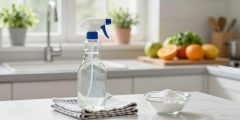
Just mix equal parts water and vinegar in a spray bottle. Add a few drops of lemon essential oil for a nice smell.
Vinegar Descaling Solution
For hard mineral deposits, use undiluted vinegar or mix 1 part vinegar with 2 parts water.
| Cleaning Task | Vinegar Solution |
|---|---|
| Surface Cleaning | 1:1 Water and Vinegar |
| Descaling | Undiluted or 1:2 Vinegar to Water |
Using vinegar in your cleaning can help you avoid harsh chemicals. It makes your home more eco-friendly.
Baking Soda: Nature’s Scrubbing Agent
Baking soda is a key part of eco-friendly cleaning. It’s safe for the environment and has many cleaning benefits. It’s a must-have in many homes.
The Science Behind Baking Soda’s Cleaning Power
Baking soda, or sodium bicarbonate, has been used for cleaning for centuries. It works by neutralizing odors and making it hard for bacteria and mold to grow. It’s a mild abrasive that removes dirt and grime without scratching surfaces.

Deodorizing and Scrubbing Applications
Baking soda is great at getting rid of bad smells. It can absorb and neutralize odors in places like refrigerators, freezers, and carpets. It’s also good for scrubbing surfaces like countertops, sinks, and toilets. Its gentle nature makes it safe for daily use.
“Baking soda is a simple, effective, and eco-friendly solution for many cleaning tasks.” – Cleaning Expert
Baking Soda Paste Recipes
Making a baking soda paste is easy for tackling tough cleaning jobs. Here are a few recipes:
Scouring Paste for Tough Stains
- Mix 1 cup of baking soda with 1/4 cup of water to form a paste.
- Apply to stained areas and let sit for 15-30 minutes.
- Scrub with a sponge or brush and rinse thoroughly.
Carpet Freshener Formula
- Combine 1 cup of baking soda with 1 tablespoon of your favorite essential oil.
- Sprinkle the mixture liberally over carpets and let sit for 30 minutes to an hour.
- Vacuum thoroughly to remove the powder and leave your carpets smelling fresh.
Using baking soda in your cleaning routine makes your home cleaner and healthier. It avoids harsh chemicals.
Lemon: Fresh Scent and Natural Disinfectant
Lemon is a great, eco-friendly cleaner. It has a fresh smell and can kill germs. People have used lemons for cleaning for a long time because of their high citric acid.
Citric Acid as a Cleaning Agent
Citric acid in lemon juice is very good at cleaning. It breaks down dirt and grime, making it easy to clean surfaces. It also kills bacteria, leaving surfaces clean and smelling fresh.

Removing Stains and Odors with Lemon
Lemon is great at getting rid of stains and bad smells. The acid in lemon juice can dissolve tough stains. Rub a lemon slice on the stain, wait a bit, then rinse with warm water.
Combining Lemon with Other Natural Cleaners
You can mix lemon with other natural cleaners to make it even better. For example, lemon and baking soda make a paste that scrubs away grime. Lemon and vinegar together make a solution that kills germs and smells good.
| Cleaning Task | Lemon-Based Solution |
|---|---|
| Removing Stains | Rub lemon slice on stain, let sit, and rinse |
| Disinfecting Surfaces | Mix lemon juice with water in a spray bottle |
| Scrubbing Grime | Make a paste with lemon juice and baking soda |
Essential Oils for Cleaning and Fragrance
Essential oils are becoming popular in cleaning products. They have natural antibacterial properties and nice smells. These oils make your homemade cleaners work better and smell great.
Antibacterial Properties of Essential Oils
Many essential oils fight bacteria well. For example, tea tree oil is known for its strong antimicrobial effects.
Best Oils for Different Cleaning Needs
Each essential oil is good for different cleaning jobs. Lemon oil is perfect for removing grease. Lavender oil is great for cleaning surfaces because it smells nice and fights bacteria.
| Essential Oil | Cleaning Use | Benefit |
|---|---|---|
| Tea Tree Oil | General Disinfecting | Strong Antimicrobial Properties |
| Lemon Oil | Degreasing | Natural Bleaching Agent |
| Lavender Oil | Surface Cleaning | Calming Scent, Antimicrobial |
Safety Considerations When Using Oils
Even though essential oils are natural, they need to be used carefully. Always mix them right and keep them in a safe place.
Dilution Guidelines
It’s best to mix essential oils with 1-3% in water or other bases for cleaning.
Storage and Shelf Life
Keep essential oils in dark glass bottles in a cool, dry spot. They usually last 1-2 years.

Natural Cleaning Tips Using Household Items
You can make natural cleaning products with simple items from home. This method is good for the planet and saves money. It also cuts down on the need for harsh chemicals.
All-Purpose Cleaners from Kitchen Ingredients
Making all-purpose cleaners from kitchen items is easy and cheap. For example, a mix of water and white vinegar in a spray bottle works well on many surfaces.
- Vinegar and Water: Good for general cleaning and removing grease.
- Baking Soda Paste: Excellent for scrubbing surfaces.
Specialized Solutions for Tough Problems
Some jobs need more effort and special cleaners. For tough stains or cleaning grout, a baking soda and water paste works great.
Combining Ingredients for Enhanced Cleaning Power
Using different household items together can make them stronger. Vinegar and baking soda, and oil and citrus, are two good pairs.
Vinegar and Baking Soda Reactions
Vinegar and baking soda mix well for cleaning clogged drains and tough stains. Their reaction is powerful.
Oil and Citrus Combinations
Blending citrus juice with oil makes a great polish for furniture. It cleans and moisturizes wood at the same time.

Using these natural cleaning tips daily helps keep your home clean. It also reduces harm to the environment.
Room-by-Room Eco-Friendly Cleaning Guide
Learn how to clean your home without harming the environment or your health. Use natural ingredients and simple methods. This way, you can keep your home clean and reduce your impact on the planet.
Kitchen Cleaning Hacks
The kitchen is the heart of the home. Keeping it clean is key. Here are some eco-friendly tips:
Natural Oven Cleaners
Mix baking soda and water to make a paste. Apply it to your oven’s interior. Let it sit overnight, then wipe clean. For tough grime, add vinegar to the paste.
Cutting Board Sanitizers
Use lemon juice on your cutting boards. Let them air dry. This natural disinfectant makes your boards smell fresh and clean.
Bathroom Natural Cleaning Solutions
Bathrooms need special care because of moisture and soap scum. Here are some natural cleaning solutions:
Toilet Bowl Cleaners
Pour 1 cup of vinegar into the toilet bowl. Let it sit for a few minutes. Then, sprinkle baking soda around and scrub with a brush before flushing.
Shower and Tub Scrubs
Make a paste with baking soda and water. Apply it to shower walls and tubs. Scrub with a non-abrasive sponge and rinse well.
Living Areas and Bedroom Green Cleaning
In living areas and bedrooms, focus on dusting and vacuuming with eco-friendly products. Use a spray bottle with water and essential oils for a chemical-free air freshener.
| Room | Cleaning Task | Eco-Friendly Solution |
|---|---|---|
| Kitchen | Oven Cleaning | Baking Soda Paste |
| Bathroom | Toilet Bowl Cleaning | Vinegar and Baking Soda |
| Living Areas | Air Freshening | Water and Essential Oils |

Tackling Tough Cleaning Challenges Naturally
Nature has great solutions for hard cleaning jobs. You can use common items to get rid of tough stains, mold, and grime. This way, you avoid harsh chemicals.
Removing Stubborn Stains
Dealing with tough stains can be hard. But, natural cleaners can help a lot. For example, a baking soda and water paste works well on stains. Just apply it, wait a few minutes, scrub, and then rinse.
Dealing with Mold and Mildew
Mold and mildew love damp places. To fight them, mix vinegar and water. Vinegar’s acid kills mold and mildew. Make sure the area is well-ventilated and dry it well after cleaning.
Natural Drain and Oven Cleaning
For clogged drains, try baking soda and vinegar. Pour baking soda down the drain, then vinegar. Let it sit before rinsing with hot water. For ovens, a baking soda and water paste works great. Put the paste on the surfaces, let it sit overnight, and clean it off in the morning.
Rust and Mineral Deposit Removal
Lemon juice or vinegar can remove rust and mineral deposits. The acid breaks down these tough spots. Put lemon juice or vinegar on the area, let it sit, then scrub and rinse.
| Challenge | Natural Solution | Application |
|---|---|---|
| Stubborn Stains | Baking Soda Paste | Apply, scrub, rinse |
| Mold and Mildew | Vinegar Solution | Spray, dry thoroughly |
| Clogged Drains | Baking Soda and Vinegar | Pour, let sit, rinse |
| Rust and Mineral Deposits | Lemon Juice or Vinegar | Apply, scrub, rinse |
Reducing Waste in Your Cleaning Routine
Starting to clean in an eco-friendly way means cutting down on waste. Making a few easy changes can make a big difference for the planet.
Reusable Cleaning Tools
Using reusable cleaning tools is a smart first step. Ditch paper towels for washable cloths. Microfiber cloths are great for dusting and cleaning.
Minimizing Packaging Waste
Look for cleaning products with little or biodegradable packaging. Buying in bulk and choosing concentrated formulas also cuts down on waste.
Upcycling Containers for Homemade Cleaners
Don’t toss old containers. Use them to store homemade cleaners. It saves waste and keeps your cleaning stuff tidy.
Composting Cleaning Waste
Compost organic waste like lemon peels or baking soda. It reduces landfill waste and makes great soil for your garden.
With these tips, you can greatly reduce waste in your cleaning routine. It’s a step towards a greener lifestyle.
Conclusion
Using household items for cleaning can greatly reduce our impact on the environment. This article has shown that green cleaning is both effective and easy to do. It’s a simple way to help our planet.
Households can make their own cleaning solutions with items like vinegar, baking soda, and lemon. This method is better for our health and helps cut down on plastic waste and water pollution. It’s a win-win for our homes and the planet.
Eco-friendly cleaning is a small but powerful action we can take. By making these changes, we can all help protect our environment. It’s a step towards a greener future, and it’s simpler than you might think.