A fresh home is more than clean. It’s welcoming to family and friends. Bad smells can make a cozy home feel uncomfortable. From last night’s dinner to a damp basement, bad odors are hard to get rid of.

But, there are ways to banish bad odors and keep your home fresh. Knowing where these smells come from and using the right methods can help. You can eliminate odors and freshen home air, making your home a nicer place.
Key Takeaways
- Identify common sources of bad odors in your home.
- Use natural methods to eliminate odors.
- Implement regular cleaning and maintenance routines.
- Utilize air purifiers and odor absorbers.
- Maintain good ventilation to freshen home air.
Understanding the Science Behind Household Odors
It’s important to know how household odors work to keep our homes fresh and healthy. These smells can also show us if there are problems in our homes.
How Odors Form and Persist in Indoor Environments
Odors in our homes come from chemical and biological processes. Volatile Organic Compounds (VOCs) are found in things like cleaning products and paints. They mix with air particles, making smells we can detect.
Dr. Jane Smith, an environmental scientist, says, “The way odors form is complex. It involves the release, movement, and how we sense VOCs.”

Why Some Smells Linger Longer Than Others
How long odors last depends on several things. This includes the type of VOCs, where they stick, and how well our homes are ventilated. Some smells stay because they get trapped in fabrics and carpets.
“Odors can be really hard to get rid of when they get deep into materials. You need more than just cleaning the surface to get rid of them.”
To really get rid of odors, we need to understand these factors. This helps us choose better products and cleaning methods.
Knowing how odors form and last helps us make our homes fresher and healthier. This knowledge lets us make smart choices about what we use and how we clean. It greatly improves the air we breathe indoors.
Common Sources of Bad Odors in American Homes
Bad smells in homes can really bother us. They often come from the kitchen, bathroom, or living areas. Knowing where these smells come from helps us get rid of them and keep our homes smelling fresh.

Kitchen Culprits: From Garbage Disposals to Refrigerator Funk
The kitchen is a common place for bad smells. This is often because of garbage disposals that aren’t cleaned well. Food and grease can build up, making smells worse. Also, the refrigerator can smell bad if old or rotten food isn’t thrown out.
Bathroom Issues: Mildew, Drains, and More
Mildew and mold love damp places, like bathrooms. Clogged drains can also cause bad smells, because of hair and soap scum. Keeping things clean and well-ventilated helps a lot.
Living Areas: Upholstery, Carpets, and Hidden Problems
Upholstery and carpets in living areas can hold smells from spills, pets, and daily use. Regular vacuuming and professional cleaning can help. Also, hidden spots like behind furniture or under carpets can sometimes cause musty smells if not kept clean.
How to Remove Bad Odors From Your Home: Expert Approaches
Getting rid of bad smells in your home can seem hard. But, with the right methods, it’s doable. First, you need to find out where the smell is coming from.
Professional Assessment Techniques for Identifying Odor Sources
Experts use special ways to find where bad smells start. They look for the real cause, not just the symptoms.
Using the Elimination Method to Locate Odor Origins
The elimination method is about checking each part of your home. This includes things like appliances, carpets, and furniture. It helps find where the smell is coming from.
When to Call in Professional Help
If you can’t get rid of the smell, it’s time to call in professional help. They have the tools and know-how to fix tough odor problems.

Systematic Strategies for Whole-Home Odor Elimination
After finding the smell’s source, you can start getting rid of it. This might mean deep cleaning or using special tools. Or, you might need to treat certain areas.
By using expert methods and systematic plans, you can remove bad odors from your home. This makes your living space fresher and healthier.
The Power of Ventilation: First Line of Defense Against Odors
A well-ventilated home fights off unwanted odors. Good ventilation gets rid of smells and boosts air quality. Homeowners can cut down on bad smells by using smart ventilation methods.
Optimizing Natural Airflow in Your Living Spaces
Boosting natural airflow is a smart move against odors. Opening windows and doors lets in fresh air. This helps get rid of stale or smelly air. Here are some tips to improve airflow:
- Open windows on opposite sides of your home to create a cross breeze.
- Use window fans to enhance airflow, especially during warmer months.
- Keep interior doors open to allow air to circulate freely between rooms.
Mechanical Ventilation Solutions for Stubborn Odor Problems
For tough odor problems, mechanical ventilation works well. These systems take out bad air and bring in fresh air.
Exhaust Fans and Their Proper Placement
Exhaust fans are key in moist areas like kitchens and bathrooms. Proper placement is essential. Put exhaust fans near odor sources, like above stoves or in showers, to remove particles efficiently.
Whole-House Ventilation Systems
Whole-house systems are a full solution. They exchange air all over the house. They’re great in tightly sealed homes where air flow is hard to get. They keep air quality steady and cut down on odors.

Using natural airflow and mechanical systems together helps fight odors. This way, homeowners can keep their homes smelling fresh and healthy.
Deep Cleaning Protocols That Eliminate Odors at Their Source
Getting rid of bad smells means deep cleaning is key. It’s all about finding and fixing the smell’s source.
Room-by-Room Cleaning Strategies for Odor Removal
Every room faces different smell challenges. In the kitchen, clean the garbage disposal, sink, and fridge well. Mix baking soda and vinegar for this.
In bathrooms, fight mildew and soap scum. Scrub showers and use disinfectants. For living areas, clean furniture and carpets to remove smells.

Specialized Cleaning Techniques for Different Surfaces
Different surfaces need special care for odor removal. Soft surfaces like carpets and upholstery need gentle cleaning.
Soft Surfaces: Carpets, Upholstery, and Curtains
Use steam cleaners or fabric cleaners on soft surfaces. Vacuum and spot clean often to stop smells.
Hard Surfaces: Countertops, Floors, and Walls
Hard surfaces like countertops and floors need strong cleaners. Choose a disinfectant that fits the surface to kill bacteria and grime.
With these deep cleaning protocols and specialized cleaning techniques, you can get rid of smells. This makes your home fresher and healthier.
Natural Remedies vs. Commercial Products: What Really Works
When it comes to fighting household odors, both natural remedies and commercial products have their fans. Looking into their effectiveness, we see each has its own good points and not-so-good points.
Effective DIY Solutions Using Household Ingredients
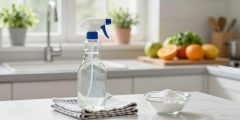
Many natural solutions can be quite effective at getting rid of odors. Household ingredients like baking soda, vinegar, and citrus fruits are often used for their deodorizing powers.
Baking Soda, Vinegar, and Citrus Applications
Baking soda is great at soaking up odors, while vinegar is a natural cleaner that kills bacteria that cause smells. Citrus fruits, like lemons, can make a spray that freshens and neutralizes odors. These options are not only good at what they do but also kind to the planet and your wallet.
Essential Oils and Natural Deodorizers
Essential oils like lavender and tea tree oil have natural deodorizing powers. They can make a space smell nice and fresh. Other natural deodorizers, like activated charcoal and zeolites, are also good at soaking up and neutralizing smells.

Reviewing the Latest Commercial Odor Eliminators
Even though natural solutions have their perks, commercial odor eliminators can be very effective. They’re especially good for tough or long-lasting smells. New tech has brought about products that target and get rid of odor-causing molecules.
Enzyme-Based Products for Biological Odors
Enzyme-based products are made to break down organic stuff that causes smells. They have enzymes that eat proteins, carbs, and fats, which gets rid of the smell.
Activated Charcoal and Molecular Odor Neutralizers
Some products use activated charcoal or molecular odor neutralizers to catch and get rid of smell molecules. These can be very good at taking out a lot of different smells, from pets to cooking.
Choosing between natural remedies and commercial products depends on the smell problem and what you prefer. Knowing the good and bad of each helps homeowners pick the best solution for their needs.
“The key to eliminating odors is to identify and address the source of the problem, rather than just masking the symptoms.”
Tackling Specific Odor Challenges in Your Home
To get rid of smells, you need to find out where they come from. Each smell problem needs a special solution to solve it for good.
Pet Odor Removal Strategies That Actually Work
Pet owners face the challenge of smells from accidents or dander. It’s key to use the right cleaning products and methods.
Dealing with Accidents and Lingering Pet Smells
When pets have accidents, act fast. Use a cleaner made for pet waste to remove both the stain and smell.
Preventative Measures for Pet Owners
Regular grooming and washing pet bedding can cut down on pet smells. An air purifier can also help by removing dander and smells from the air.
Conquering Cooking Smells Without Masking Them
Cooking smells can be tough to get rid of, but there are ways to do it. Using a range hood or exhaust fan while cooking helps a lot.
- Use a splatter screen to catch oil splatters that can cause strong smells.
- Keep your kitchen clean, focusing on areas near cooking surfaces.
Eliminating Musty and Mildew Odors Permanently
Musty and mildew smells come from too much moisture. To get rid of them, you must fix the moisture problem.
Addressing Humidity and Moisture Issues
Use a dehumidifier in damp places like basements or bathrooms to lower moisture. Make sure to have good air flow by opening windows or using fans.
Treating Affected Areas Effectively
For spots with mildew or musty smells, mix bleach and water to clean and kill germs. Make sure the area is dry before you’re done.

Knowing where smells come from and using the right solutions can help homeowners keep their homes smelling fresh.
Advanced Technologies for Indoor Air Quality Improvement
More people are now aware of indoor air pollution. New solutions have come up to fight this problem. These advanced technologies help make homes healthier by improving indoor air quality.
Air Purifiers and Filtration Systems: What the Research Shows
Studies have found that air purifiers and filtration systems really work. They clean the air by removing pollutants and allergens. This helps prevent breathing problems.
HEPA Filters vs. Activated Carbon Technology
HEPA filters catch 99.97% of tiny particles, like dust and pollen. On the other hand, activated carbon technology is great at getting rid of gases and smells.
Sizing and Placement for Maximum Effectiveness
Choosing the right size air purifier for your room is key. Also, placing them in the best spots is important. This way, the air gets cleaned well, making your home healthier.
Emerging Innovations in Home Odor Control
The field of indoor air quality is always growing. New ideas like photocatalytic oxidation and nanotechnology are being looked into. They might help make indoor air even cleaner.

Preventative Measures: Maintaining an Odor-Free Home Year-Round
Keeping your home smelling fresh all year is possible. It requires seasonal maintenance routines and daily habits. These steps help keep your home smelling great all the time.
Seasonal Maintenance Routines to Prevent Odor Buildup
Seasonal maintenance is key to stopping odors. You should deep clean carpets and furniture. Also, check and clean your HVAC system and make sure areas with moisture, like bathrooms and kitchens, have good ventilation.
- Deep clean high-traffic areas and furniture.
- Inspect and clean or replace HVAC filters.
- Use a dehumidifier in humid climates.
Daily Habits That Keep Your Home Smelling Fresh
Simple daily habits can make a big difference. Regular cleaning, proper waste disposal, and quick action on spills are important. These habits help keep your home smelling fresh.
Kitchen and Bathroom Maintenance
Cleaning countertops, sinks, and toilets regularly is crucial. Also, make sure to take out trash often. Don’t forget to clean your fridge and oven too.
Laundry and Textile Care
Washing fabrics like bedding and towels often is key. Make sure they dry completely before storing. Cleaning your washing machine regularly also helps keep laundry smelling fresh.
| Area | Daily Tasks | Seasonal Tasks |
|---|---|---|
| Kitchen | Wipe down countertops, clean sink | Deep clean refrigerator, oven |
| Bathroom | Clean toilet, sink, shower | Deep clean grout, caulk |
| Laundry | Wash bedding, towels | Clean washing machine |
Conclusion: Creating a Consistently Fresh Home Environment
Making your home smell fresh is more than just getting rid of bad smells. It’s about keeping your home smelling good all the time. By using the tips from this article, you can make your home a welcoming place.
To control odors at home, you need good air flow, deep cleaning, and natural or store-bought solutions. Keeping up with regular cleaning and daily tasks is key to keeping your home smelling fresh.
Knowing where bad smells come from and how to get rid of them helps a lot. This way, you can make your home smell clean and fresh. It also makes the air inside better and makes living there more enjoyable.
Keeping your home smelling fresh is a job that never ends. But with the right steps and a bit of effort, you can keep your home smelling great. Follow the advice in this article to make your home a welcoming and fresh space.