A dusty home can be a real nuisance. Over 40 million households in the US struggle to keep it clean.
Keeping your home spotless can seem hard. But, with the right home cleaning hacks, it’s easy.

Find simple dusting techniques and quick cleaning tips. They’ll change your cleaning routine, making it better and faster.
Key Takeaways
- Simple dusting methods for a cleaner home
- Effective home maintenance tricks for a spotless environment
- Quick cleaning tips to save time and effort
- Easy ways to incorporate cleaning into your daily routine
- Practical home cleaning hacks for a fresher home
Why Regular Dusting Is Essential for a Healthy Home
Dusting regularly is more than just keeping things clean. It’s about keeping your home healthy. It helps reduce dust and its problems.
Health Benefits of a Dust-Free Environment
A dust-free home has many health benefits. It can help with breathing problems and make the air cleaner. Dusting often cuts down on particles that make asthma worse.
Reducing Respiratory Issues and Allergies
Dust is a big allergen that can cause breathing problems and allergies. Dusting often reduces dust mites and other allergens. This makes your home healthier.
Improving Overall Indoor Air Quality
Regular dusting removes dust from surfaces and the air. This improves indoor air quality. It’s key in homes with bad air flow, where dust builds up fast.

The Hidden Dangers of Dust Buildup
Dust buildup can cause more than health problems. It can also harm your home’s appliances and electronics.
Dust Mites and Other Allergens
Dust mites live in dusty places, eating human skin and pet dander. Dusting often helps control them and lowers allergens.
Impact on Home Appliances and Electronics
Dust inside appliances and electronics can make them overheat or stop working. Cleaning and dusting regularly keeps them running well and lasts longer.
Essential Dusting Tools and Supplies
Having the right dusting tools and products is key to a cleaner, healthier home. It’s not just about removing visible dust. It’s also about keeping your home hygienic.
Must-Have Dusting Equipment for Every Home
Every home needs the right dusting tools to make cleaning easier and more efficient. Microfiber cloths and dusters are top choices for dusting.
Microfiber Cloths and Dusters
Microfiber cloths are great for dusting because they attract and trap dust well. They’re also washable and reusable, which is good for the environment.
Extension Tools for Hard-to-Reach Areas
Extension dusters are perfect for reaching high shelves, ceiling fans, and other hard-to-reach spots. You don’t need a ladder.

Choosing the Right Dusting Products
Choosing the right dusting products is important for effective cleaning. You can pick between commercial dusting sprays and natural alternatives. It depends on what you prefer and the surface you’re cleaning.
Commercial Dusting Sprays vs. Natural Alternatives
Commercial dusting sprays work well but may have harsh chemicals. Natural alternatives, like vinegar and water, are safer and better for the environment.
Specialized Tools for Different Surfaces
Different surfaces need different dusting tools. For example, delicate surfaces need soft-bristled brushes or microfiber cloths. Rough surfaces can handle more robust tools.
| Surface | Recommended Dusting Tool |
|---|---|
| Delicate Surfaces | Soft-bristled brush or microfiber cloth |
| Rough Surfaces | Robust duster or scrubber |
| High Shelves | Extension duster |
Easy Dusting Tips to Keep Your Home Fresh
Dusting doesn’t have to be a chore. It’s about making habits that keep your home fresh. Simple daily and weekly routines can keep your space clean and healthy.
Quick Daily Dusting Habits That Make a Difference
Daily dusting habits can greatly reduce dust in your home. Here are some effective strategies:
The Top-to-Bottom Approach
Begin by dusting ceiling fans, light fixtures, and then move to furniture and floors. This method stops dust from spreading to clean areas.
Two-Minute Touch-Ups That Count
Every day, take two minutes to quickly dust high-traffic areas or surfaces that collect dust. This includes entryways or coffee tables.
- Dust furniture and knick-knacks
- Wipe down surfaces with a damp cloth
- Use a microfiber cloth for effective dusting
Weekly Dusting Routines for Maintenance
Weekly dusting routines keep your home dust-free. Consider the following:
Creating a Realistic Dusting Schedule
Plan your dusting tasks for the week. Set specific days for different areas or tasks. This helps manage your time well.
Rotating Deep-Cleaning Tasks
Along with daily dusting, add deep-cleaning tasks to your weekly routine. Rotate tasks like dusting behind furniture, cleaning out closets, or dusting window sills.

By following these easy dusting tips and sticking to a routine, you can keep your home fresh and dust-free. Remember, the key is to make dusting a habit.
Room-by-Room Dusting Strategies
Dusting room by room makes cleaning easier and more effective. It lets you focus on each space’s unique needs and challenges.
Living Room and Common Areas
The living room is the home’s center, full of activity. Dusting it well is key for looks and health.
Tackling Bookshelves and Decorative Items
Begin with bookshelves, using a microfiber cloth to dust books and decorations. For fragile items, a soft-bristled brush is safer.
Furniture and Upholstery Dusting
Dampen a cloth to dust furniture. Vacuum upholstered furniture’s cushions and crevices. This keeps your living room clean and inviting.

Bedroom Dusting Techniques
The bedroom is a peaceful retreat. Keeping it dust-free is vital for a good night’s sleep.
Headboards, Nightstands, and Under-Bed Areas
Dust headboards and nightstands with a microfiber cloth. Vacuum under-bed areas to remove dust.
Closets and Clothing Storage
Regularly dust closet shelves and rods. Choose storage that’s easy to clean and dust-resistant.
Kitchen and Dining Areas
The kitchen and dining areas need extra care because of food. They’re where cleanliness matters most.
Cabinet Tops and Appliances
Regularly dust cabinet tops and appliances to avoid dust. Use a damp cloth for surfaces with grease or food.
Food Preparation Surfaces
Wipe down countertops and tables with a disinfectant. Keeping these areas clean is essential for hygiene.
Using these room-by-room dusting methods makes cleaning easier and keeps your home healthier.
Tackling Hard-to-Reach Dust Traps
Dust in hard-to-reach spots can make your home look dirty. It also can make breathing problems worse.
Ceiling Fans and Light Fixtures
Ceiling fans and lights collect a lot of dust. To clean ceiling fans, use the pillowcase method. Just put a pillowcase over the fan and slide it off to catch the dust.
Pillowcase Method for Fan Blades
This method is easy and keeps your home clean without a mess.
Chandelier and Pendant Light Cleaning
To clean light fixtures, use a soft, dry cloth. For detailed designs, a small, dry brush helps get dust out of tight spots.
Blinds, Vents, and Baseboards
Blinds, vents, and baseboards also get dusty. For Venetian blinds, a microfiber cloth or a special tool works well.
Quick Tools for Venetian Blinds
With a microfiber cloth, you can clean each slat quickly, removing dust and dirt.
HVAC Vent Maintenance
To clean HVAC vents, take off the covers and wash them with mild soap and water. Use a vacuum with a brush to clean the ducts.

| Area | Cleaning Method | Tools Needed |
|---|---|---|
| Ceiling Fans | Pillowcase Method | Pillowcase, Step Stool |
| Light Fixtures | Soft Cloth or Dry Brush | Soft Cloth, Dry Brush |
| Venetian Blinds | Microfiber Cloth | Microfiber Cloth |
| HVAC Vents | Vacuum and Wash Covers | Vacuum, Mild Soap, Water |
Time-Saving Dusting Hacks for Busy Households
Keeping a home dust-free can be tough for busy families. But, with smart strategies, it’s doable. Cleaning your home doesn’t have to be a big task, even when you’re busy.
5-Minute Dusting Solutions
Quick dusting sessions can really help. Focus on spots that get dusty fast.
Focus Areas for Quick Cleaning
Look for areas that dust up quickly, like furniture and gadgets. A microfiber cloth works great for dusting.
High-Impact, Low-Effort Techniques
Dusting with a damp cloth is effective. It catches dust well, so you don’t have to dust as often.
Multitasking While Dusting
Dusting and other chores together can save time. Get everyone involved to share the work.
Combining Dusting with Other Chores
Dust while you vacuum or do other cleaning. This makes your cleaning routine more efficient.
Family Involvement Strategies
Give dusting tasks to family members based on their free time and skills. A rotation keeps things fair and fun.
| Dusting Task | Frequency | Family Member |
|---|---|---|
| Living Room Furniture | Daily | John |
| Bedroom Surfaces | Weekly | Emily |
| Kitchen Counters | Daily | Michael |

These dusting hacks can help busy families keep their homes clean and healthy with little effort.
Dealing with Dust in Special Situations
Dust can be tough in homes with allergy sufferers, pets, or after renovations. You need special dusting strategies to keep your home clean and healthy.
Dusting for Allergy Sufferers
For homes with allergy sufferers, dusting needs extra care. Using hypoallergenic products can really help reduce allergens.
Hypoallergenic Products and Methods
Choose dusting sprays and wipes that are labeled hypoallergenic. These products are made to lessen allergic reactions.
Creating Allergy-Free Zones
Make some areas, like bedrooms, allergy-free zones. Dust them often and use allergen-proof bedding.
Pet-Friendly Dusting Techniques
Pets add joy but also extra dust and dander. It’s important to manage pet hair well.
Managing Pet Hair and Dander
Regular grooming and a vacuum with a HEPA filter can cut down pet dander.
Safe Products Around Animals
Choose dusting products safe for pets. Stay away from harsh chemicals that could hurt them.
Dusting After Renovation or Construction
Renovations and construction projects make a lot of dust. It’s key to clean properly.
Dealing with Construction Dust
Wipe down surfaces with damp cloths. Also, use a vacuum with a HEPA filter to catch fine dust.
Post-Renovation Deep Cleaning
After the project ends, do a deep clean. Dust all surfaces, wash fabrics, and clean or replace air filters.
| Situation | Dusting Tip | Product Recommendation |
|---|---|---|
| Allergy Sufferers | Use hypoallergenic products | Hypoallergenic dusting sprays |
| Pets | Regular grooming and HEPA vacuum | Pet-friendly dusting wipes |
| Post-Renovation | Damp cloths and HEPA vacuum | Microfiber cloths |

Natural and Eco-Friendly Dusting Solutions
Many people are now looking for natural and eco-friendly ways to dust their homes. These methods are better for the planet and make our homes healthier.
DIY Dusting Sprays and Solutions
Making your own dusting sprays is a fun and effective way to keep your home clean. You can use simple ingredients like vinegar and essential oils to create different cleaning solutions.
Vinegar and Essential Oil Recipes
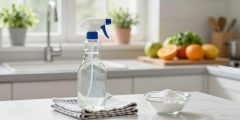
By mixing vinegar with water and adding a few drops of essential oil, you can make a dusting spray. Vinegar’s acidity helps break down dust, and essential oils give it a nice smell.
Lemon and Olive Oil Wood Polishes
For wooden furniture, a mix of lemon juice and olive oil works great. Olive oil moisturizes the wood, and lemon juice adds shine and helps remove dust.
Sustainable Dusting Tools
Using sustainable dusting tools is another way to reduce your environmental impact. Look for reusable cloths and tools made from eco-friendly materials.
Reusable vs. Disposable Options
Choosing reusable dusting cloths over disposable ones can greatly reduce waste. Microfiber cloths are especially good for dusting and can be washed many times.
Bamboo and Other Eco-Materials
Bamboo dusting tools are not only good for the planet but also last a long time. Other eco-friendly materials used in dusting tools include recycled plastics and natural fibers, offering many green options.

Seasonal Dusting Considerations for American Homes
Different seasons bring unique dusting challenges for homeowners. As the weather changes, so do the dusting needs of your home. Understanding these seasonal variations is key to effective dusting.
Spring Cleaning Dust Busters
Spring is the perfect time to tackle the dust that has accumulated over the winter months. Two crucial aspects of spring cleaning are post-winter deep cleaning and preparing for pollen season.
Post-Winter Deep Cleaning
After a winter of closed windows and heating systems running, homes can become particularly dusty. Deep cleaning involves dusting all surfaces, including hard-to-reach areas like ceiling fans and light fixtures. Use a damp cloth to trap dust particles, preventing them from becoming airborne.
Preparing for Pollen Season
As spring arrives, pollen counts rise, exacerbating allergy symptoms. Regular dusting can help reduce pollen accumulation indoors. Use HEPA-filter vacuums and dust with damp cloths to minimize pollen circulation.
Fall and Winter Dusting Challenges
While fall and winter may seem like easier seasons for dusting due to lower pollen counts, they bring their own challenges, including heating system dust management and holiday decorating.
Heating System Dust Management
As heating systems kick in, they can circulate dust throughout your home. Regularly change your HVAC filters and consider having your heating system professionally cleaned to reduce dust circulation.
Holiday Decorating and Cleaning
During the holiday season, decorations can collect dust. Before decorating, dust and clean your ornaments and decorations. When putting away decorations, store them in sealed containers to prevent dust accumulation.
Tech and Electronics Dusting Guide
In today’s world, keeping your electronics dust-free is key. Dust can cause overheating, lower efficiency, and harm your devices.
Safe Methods for Dusting Screens and Keyboards
Cleaning screens and keyboards right is vital to avoid damage. Microfiber cloths are perfect for gently cleaning displays without leaving marks or scratches.
Microfiber Techniques for Displays
For screens, use a dampened microfiber cloth. Don’t spray liquids directly on the screen.
Compressed Air for Keyboards and Ports
Use compressed air for keyboards and ports to remove dust. Hold the can upright to keep liquids out of ports.
Cleaning Dust from Computer Components and Entertainment Systems
Internal parts and entertainment systems need careful cleaning. Regular dusting helps prevent overheating and extends your devices’ life.
TV and Gaming Console Maintenance
Wipe the outside of TVs and gaming consoles with a soft, dry cloth. For deeper cleaning, check the manufacturer’s guide.
Router and Cable Box Dust Removal
Always unplug before cleaning. Use compressed air to gently clear dust from vents and ports.
| Device | Recommended Cleaning Method |
|---|---|
| Screens | Microfiber cloth, slightly dampened |
| Keyboards | Compressed air |
| Internal Components | Compressed air, anti-static brush |
Conclusion: Maintaining a Spotless, Dust-Free Home
Keeping your home dust-free is an ongoing task. It needs regular dusting and upkeep. By using the tips from this article, you can keep your home clean and dust-free. This makes your home healthier for you and your family.
Good dusting maintenance means using the right tools and supplies. It also means dusting every day and week, and getting to hard spots. This not only makes your home cleaner but also lowers the chance of dust-related health problems.
To keep your home dust-free, dust often, especially in dusty areas. Use the dusting strategies and quick tips given to make dusting easy. With a regular dusting routine, you’ll have a clean home and a healthier living space.